
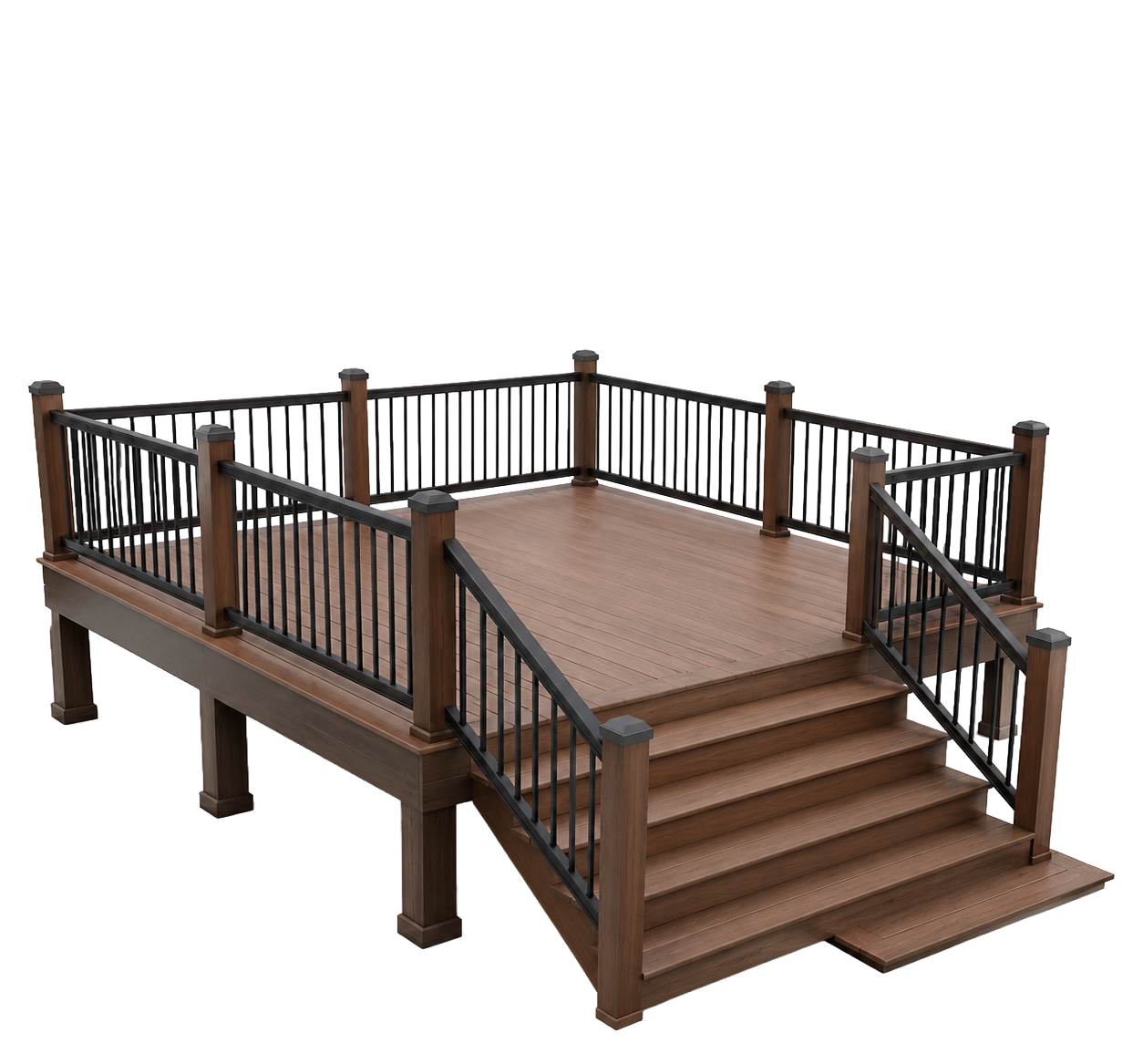
Create an uncovered outdoor area that preserves open sky and views while improving the connection between the home and yard.
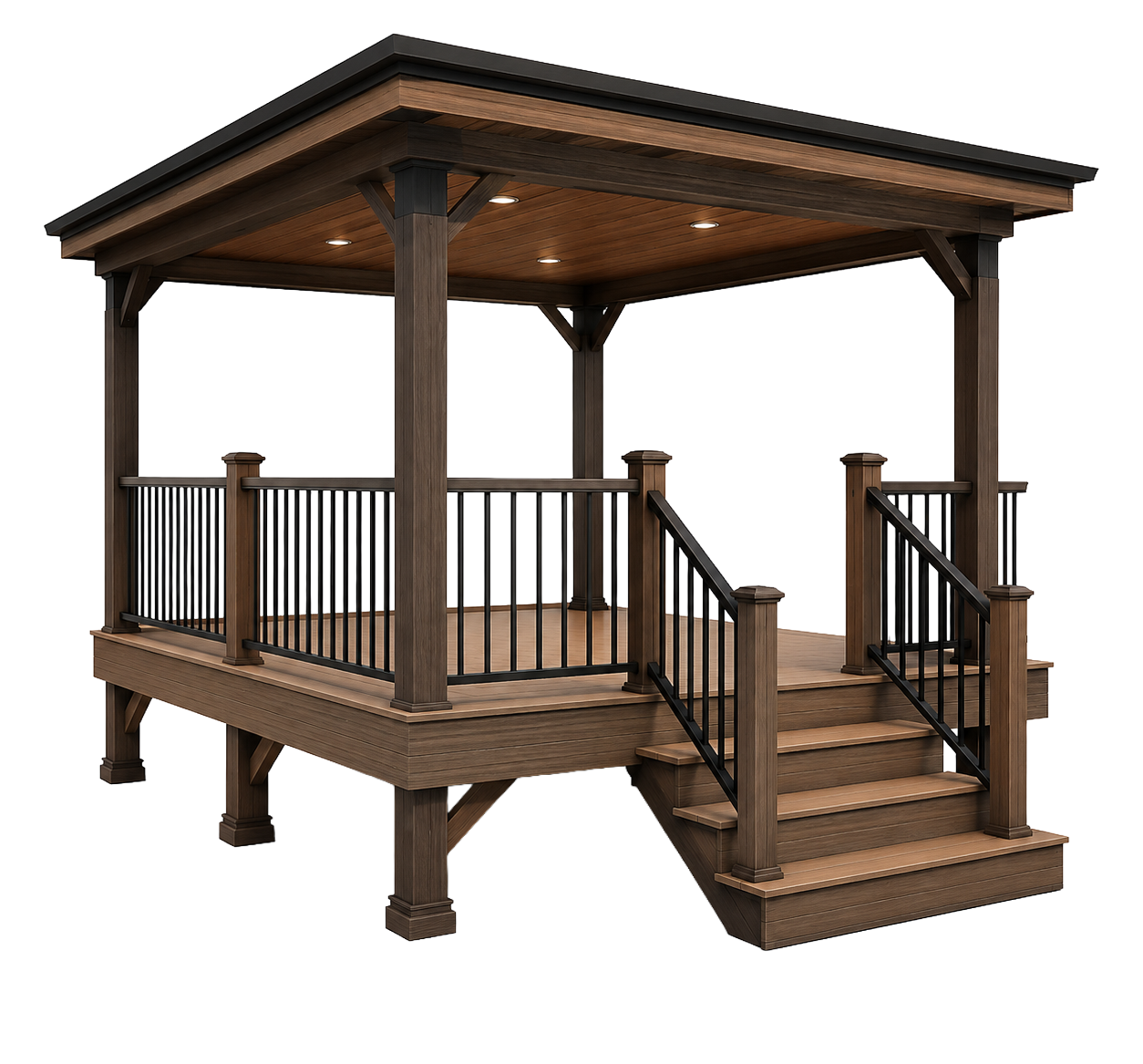
Add shade and weather protection through a deck and cover planned as one coordinated outdoor space.
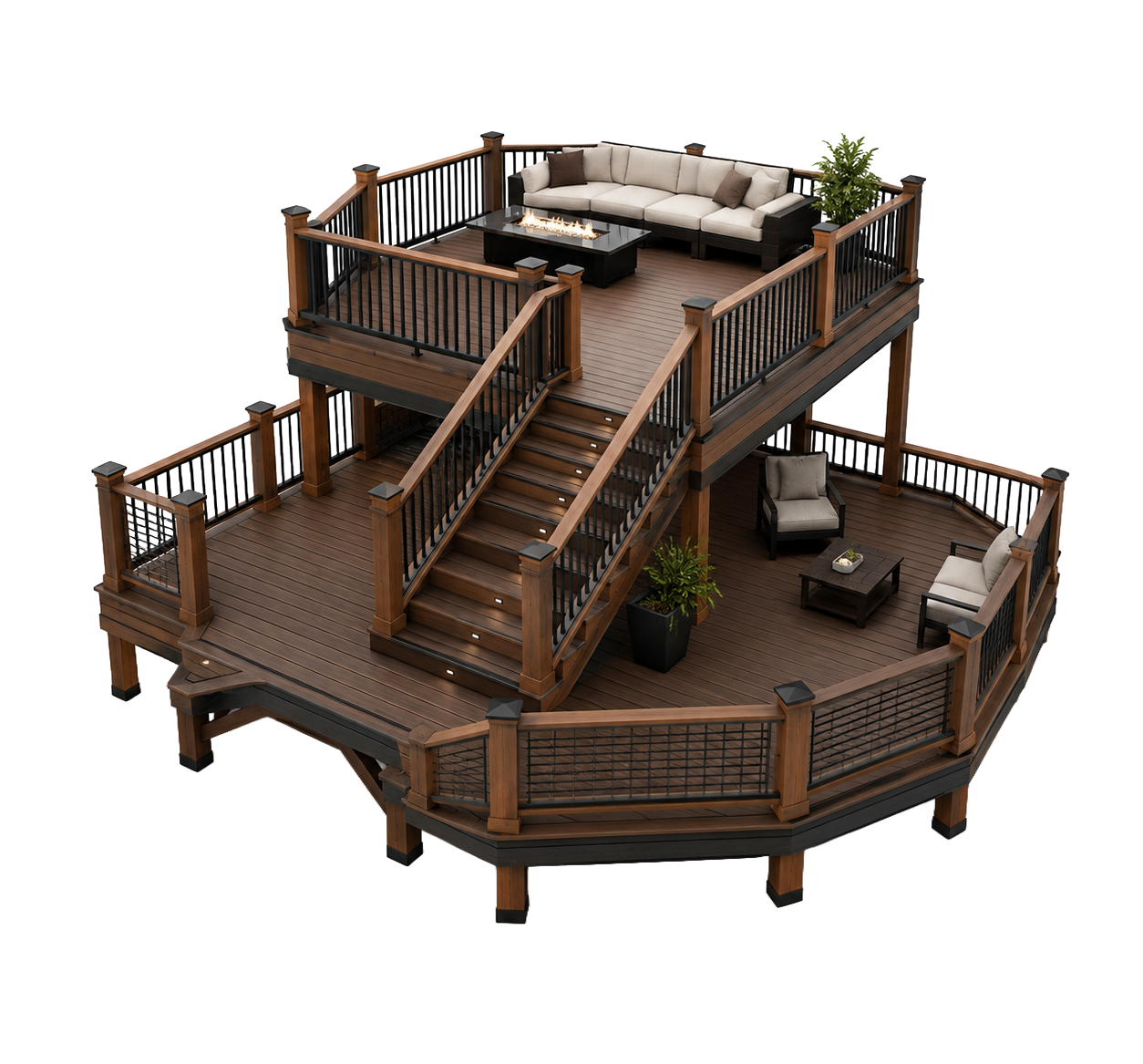
Use level changes, landings, stairs, borders, railings, or other custom details to respond to grade, access, views, and the way the space will be used.
Composite typically avoids routine staining, painting, and sealing, but no exterior surface is maintenance-free. Cleaning and care should follow the manufacturer’s instructions for the selected product.

Product lines vary, but many composite and PVC boards are designed to resist common concerns such as splintering, decay, moisture, and insect damage. Expected performance depends on the product, installation, exposure, care, and manufacturer requirements.

Modern composite and PVC products offer a wide range of colors, grain patterns, textures, and finish systems. View physical samples beside the home at different times of day so the final selection works with the exterior, roof, stone, trim, and landscape.

Utah projects must account for sun, temperature swings, snow, moisture, drainage, and the conditions around the home. Habitat helps compare products and design decisions in the context of the specific site rather than assuming one material performs the same everywhere.
Some composite product lines incorporate recycled materials. If environmental content is important to the homeowner, Habitat can review manufacturer information for the specific products being considered.





Discuss the current space, desired use, maintenance expectations, style, priorities, and budget context.

Consider the home, grade, access, existing structure, utilities, and visible site conditions.

Work through layout, materials, railings, stairs, coverage, and finish decisions.

Understand what is included, what remains a selection, and what factors could affect the project.

Construct the deck, communicate through the work, and complete a final walkthrough.
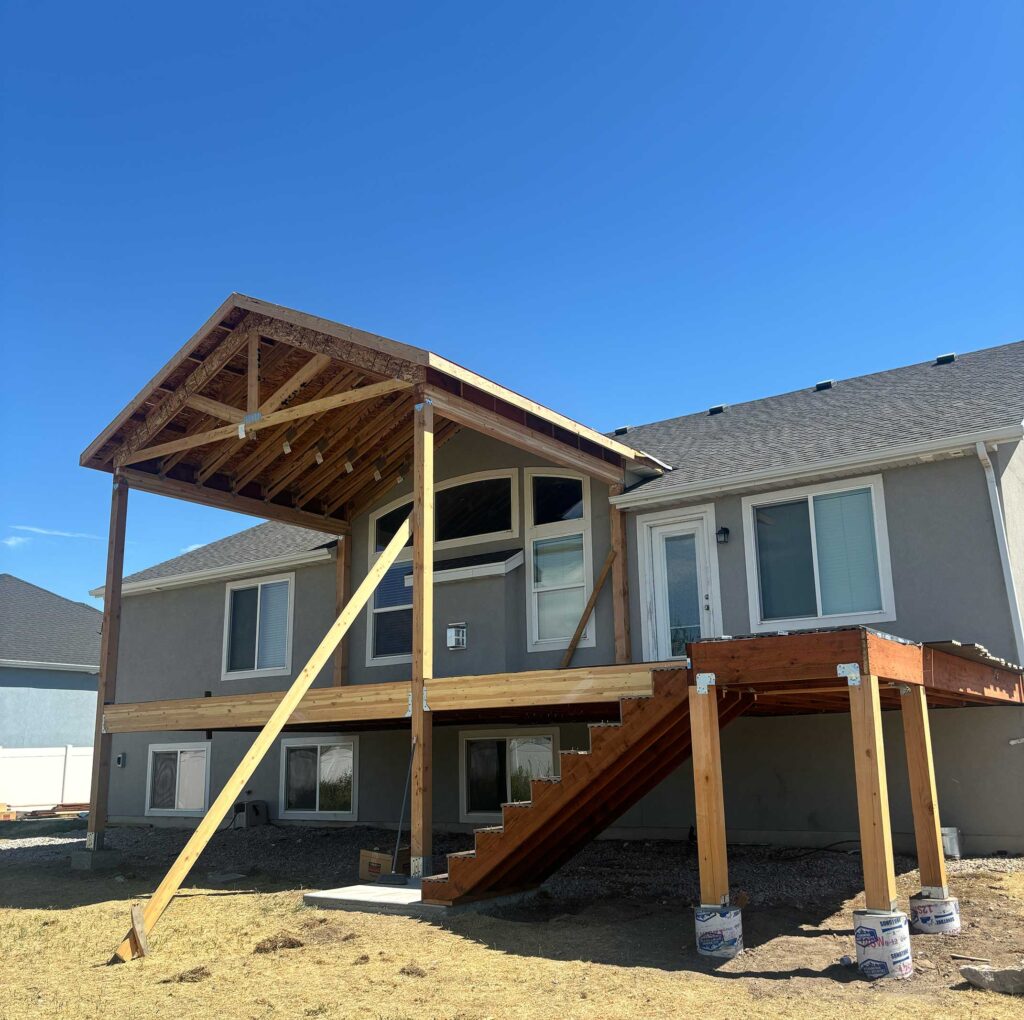

How will materials, equipment, and crews reach the work area?

How should the deck connect to doors, stairs, the yard, and other outdoor areas?

Which parts of the day create the most heat, glare, shade, wind, snow, or moisture?

What furniture, cooking, gathering, or accessibility needs should the layout support?

Should the structure anticipate coverage, lighting coordination, privacy, or another planned improvement?

Requires staining and sealing every few years. Regular maintenance helps prevent rot, fading, and moisture damage.
Composite generally reduces routine refinishing. Cleaning methods and frequency should follow the instructions for the selected product and the conditions around the home.
PVC product lines can offer very low routine maintenance and strong moisture resistance. Color, surface temperature, traction, expansion, price, and manufacturer requirements should still be compared for the specific project.