Custom Composite Deck Design and Construction

A Custom Composite Deck Designed Around Your Home

Create a lower-maintenance outdoor space with the right layout, material, color, railing, and construction plan for your property—not a one-size-fits-all package.

Framing and
Structural Carpentry

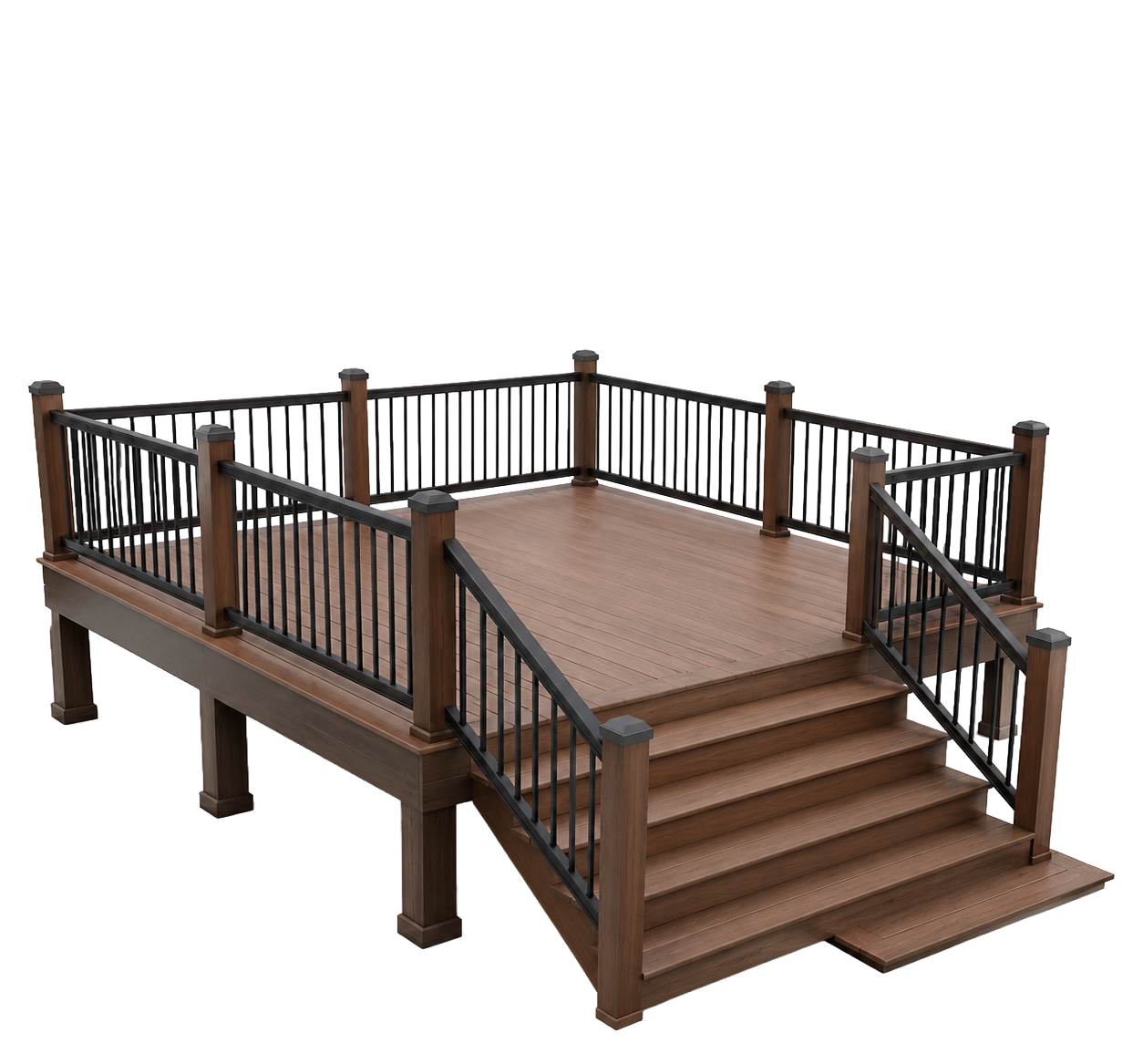
Open Decks

Create an uncovered outdoor area that preserves open sky and views while improving the connection between the home and yard.
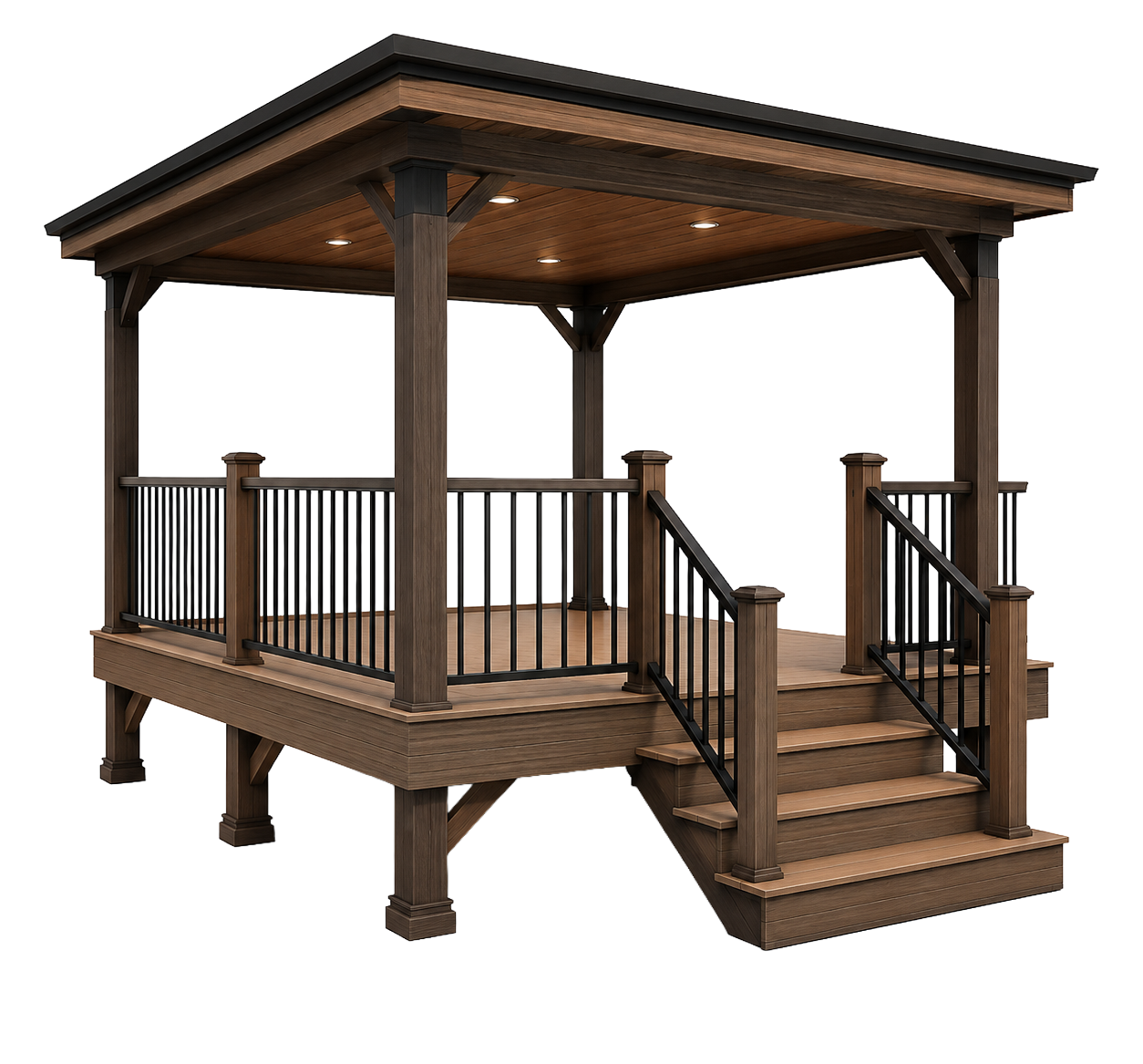
Covered Decks

Add shade and weather protection through a deck and cover planned as one coordinated outdoor space.
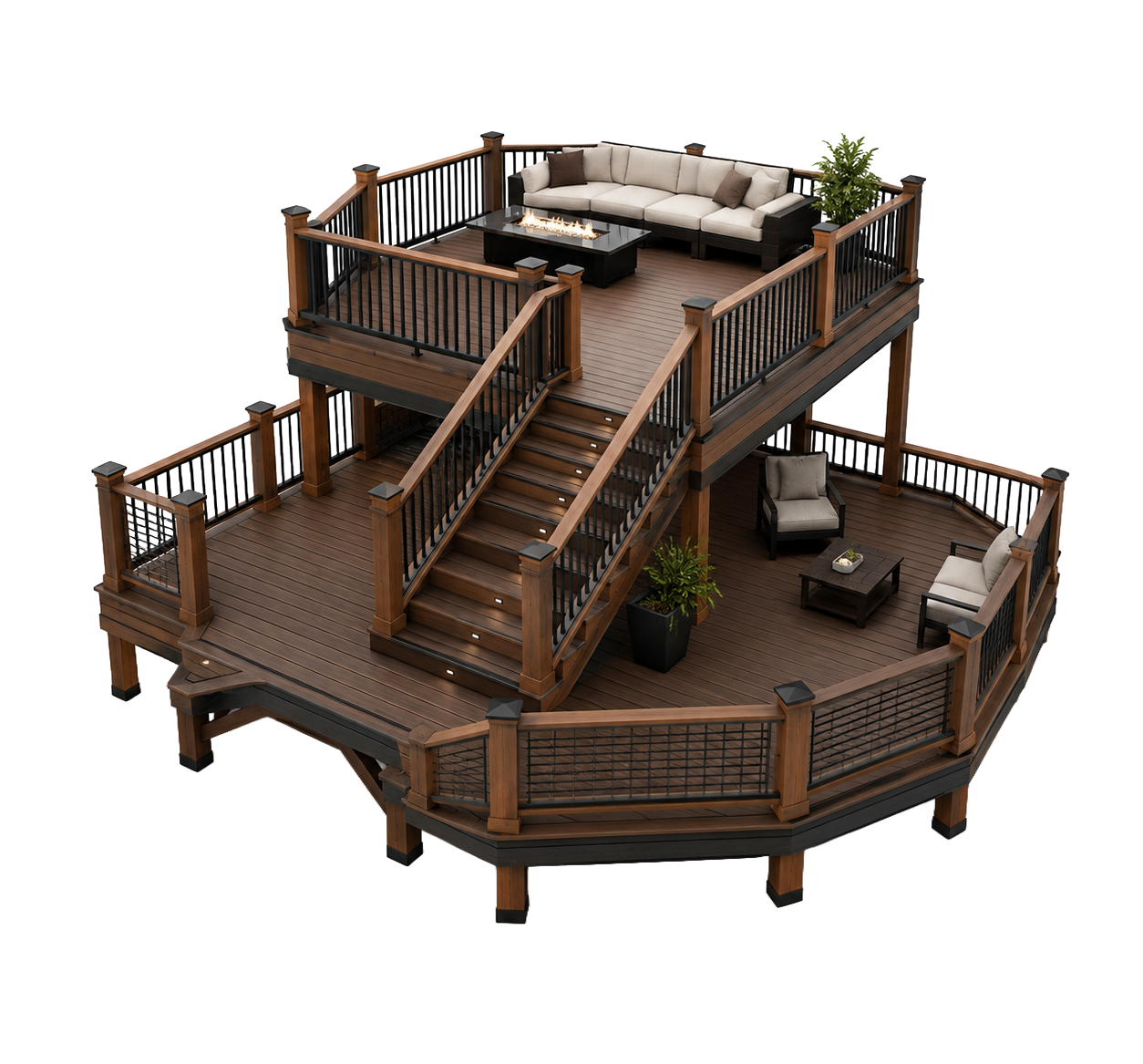
Custom and Multi-Level Decks

Use level changes, landings, stairs, borders, railings, or other custom details to respond to grade, access, views, and the way the space will be used.
Why Utah Homeowners Choose Composite Decking

Composite and PVC decking can reduce routine maintenance while providing consistent colors, textures, and coordinated finish options. The best choice depends on the specific product line, the property’s exposure, the homeowner’s expectations, and the complete project design.

More Useful Outdoor Space

Plan the deck around the activities that matter—meals, conversation, play, grilling, quiet mornings, or easier movement between the home and yard—so the finished square footage has a clear purpose.

A More Complete Home and Yard

A well-planned deck can improve appearance, functionality, and the way the property is experienced. The actual effect on resale value varies by project, home, neighborhood, market conditions, and buyer preferences.

Design Choices That Work Together

Compare layout, board direction, colors, borders, fascia, railings, stairs, and coverage as one system. Habitat helps narrow the options so the finished deck looks integrated with the home rather than assembled from unrelated selections.

Compare Leading Brands by What Matters to You

Habitat Builders works with TimberTech, Trex, Deckorators, and Fiberon products. Instead of choosing from a logo alone, compare color and texture in the actual light around the home, sun exposure, moisture conditions, surface technology, board profile, fastening options, coordinating trim, warranty terms, installed cost, and product availability.

Habitat helps narrow the choices to relevant options for the property and project goals.

Low Maintenance

Composite typically avoids routine staining, painting, and sealing, but no exterior surface is maintenance-free. Cleaning and care should follow the manufacturer’s instructions for the selected product.

Long-Lasting Performance

Product lines vary, but many composite and PVC boards are designed to resist common concerns such as splintering, decay, moisture, and insect damage. Expected performance depends on the product, installation, exposure, care, and manufacturer requirements.

Design Appearance

Modern composite and PVC products offer a wide range of colors, grain patterns, textures, and finish systems. View physical samples beside the home at different times of day so the final selection works with the exterior, roof, stone, trim, and landscape.
Utah Climate

Utah projects must account for sun, temperature swings, snow, moisture, drainage, and the conditions around the home. Habitat helps compare products and design decisions in the context of the specific site rather than assuming one material performs the same everywhere.
Environmental Claim

Some composite product lines incorporate recycled materials. If environmental content is important to the homeowner, Habitat can review manufacturer information for the specific products being considered.


Habitat combines material guidance, site-specific planning, and detail-focused construction to create a composite deck that fits the home, supports the intended use, and is easier to maintain.

Decking and Railing options

Railings, Stairs, and Access

Railings and stairs affect safety, movement, views, and the finished appearance of the deck. Habitat helps coordinate system type, color, post placement, stair width, landings, and access routes with the overall design.

Define the goals.

Discuss the current space, desired use, maintenance expectations, style, priorities, and budget context.

Review the property.

Consider the home, grade, access, existing structure, utilities, and visible site conditions.

Shape the design.

Work through layout, materials, railings, stairs, coverage, and finish decisions.

Confirm the scope.

Understand what is included, what remains a selection, and what factors could affect the project.

Build and review.

Construct the deck, communicate through the work, and complete a final walkthrough.
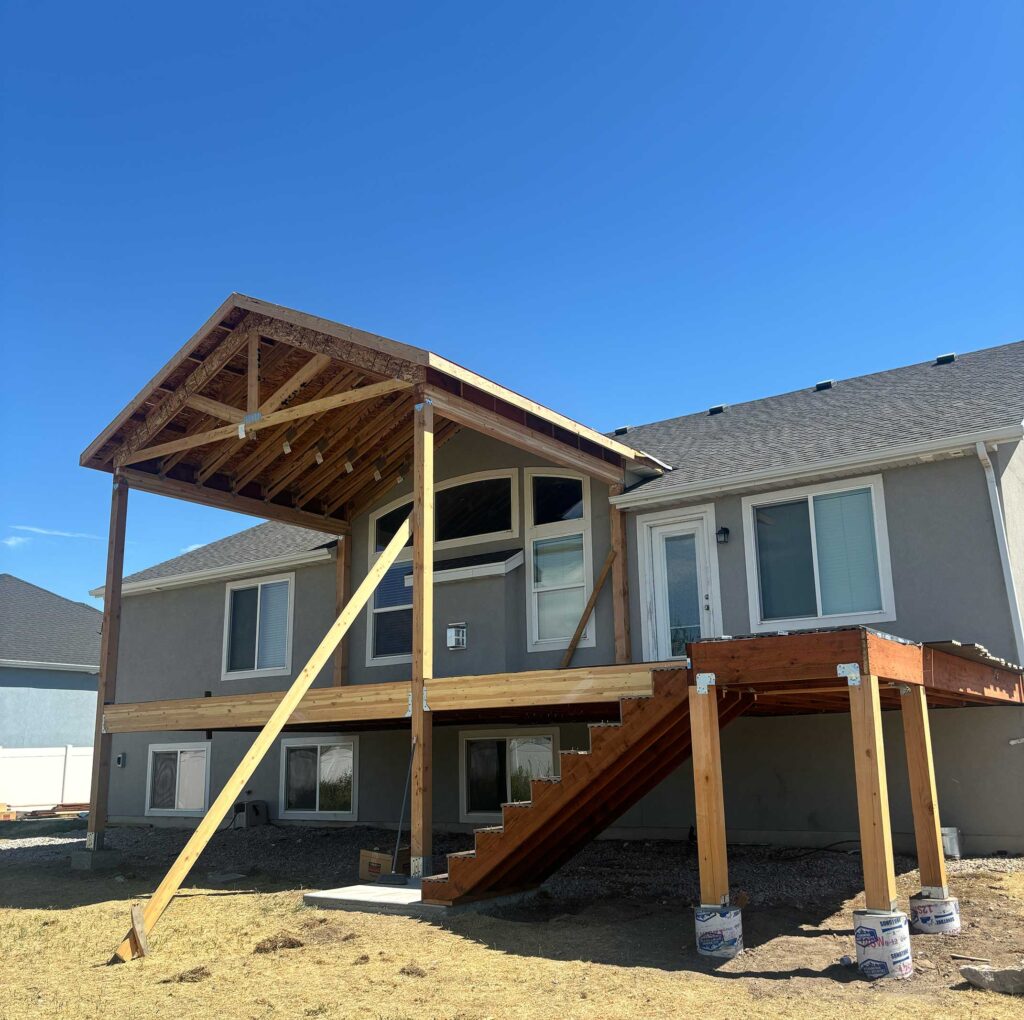
Planning the Work Beneath the Finished Surface

Depending on the confirmed scope, the project may involve demolition, footings, connections, framing, drainage or waterproofing considerations, decking installation, railings, stairs, and finish work. The appropriate specifications depend on the design, selected products, site conditions, code requirements, and approved plans.

Picture-Frame Border

A picture-frame border can define the deck perimeter, organize board ends, and create a more deliberate finished appearance when it fits the layout and product system.

Breaker
Boards

Breaker boards can divide long runs, organize changes in board direction, and support a cleaner visual layout when appropriate for the deck design

Waterproof
Deck Systems

When included in the confirmed scope, an appropriate under-deck or waterproofing system may help manage water and make the area below an elevated deck more usable. Product choice and detailing must fit the specific structure and drainage plan.

Important Decisions Before Construction

Site access:

How will materials, equipment, and crews reach the work area?

Movement:

How should the deck connect to doors, stairs, the yard, and other outdoor areas?

Sun and exposure:

Which parts of the day create the most heat, glare, shade, wind, snow, or moisture?

Use:

What furniture, cooking, gathering, or accessibility needs should the layout support?

Future features:

Should the structure anticipate coverage, lighting coordination, privacy, or another planned improvement?

Choose a Maintenance Level That Fits Your Household

Every exterior surface requires care, but the type and frequency vary. Compare the manufacturer’s guidance, the home’s exposure, and the maintenance tasks you are willing to perform before selecting a material.

WOOD DECKING:

Requires staining and sealing every few years. Regular maintenance helps prevent rot, fading, and moisture damage.

COMPOSITE DECKING:

Composite generally reduces routine refinishing. Cleaning methods and frequency should follow the instructions for the selected product and the conditions around the home.

PVC DECKING:

PVC product lines can offer very low routine maintenance and strong moisture resistance. Color, surface temperature, traction, expansion, price, and manufacturer requirements should still be compared for the specific project.
See Composite Deck Decisions in Real Projects

Explore the original condition, homeowner goals, selected materials, important layout or construction decisions, and finished result behind Habitat projects in Draper, Sandy, West Valley City, and other Utah communities.

FAQs

Is TimberTech better than Trex?
The better choice depends on the specific product line and the homeowner’s priorities. Color, texture, surface technology, heat exposure, moisture, warranty, price, and availability can matter more than the brand name by itself. Habitat can help compare suitable options.
Any outdoor surface can become hot in direct sun. Temperature varies by color, material, product line, exposure, and weather. Review samples in conditions similar to the home and discuss shade or coverage if heat is a major concern.
No exterior product is completely maintenance-free. Composite typically avoids routine staining and sealing, but it still needs appropriate cleaning and care according to the manufacturer’s guidance.
Sometimes, but only when the existing framing and layout are suitable for the selected product and proposed design. Habitat should review spacing, condition, geometry, connections, and other relevant requirements before recommending reuse.
That depends on their condition, location, size, design compatibility, documentation, and applicable requirements. Habitat must review the project before proposing reuse.
Compare physical samples with the home’s exterior, roof, stone, trim, and surrounding landscape. View them at different times of day. Habitat can help narrow the selection to options that fit the design and practical conditions.
Expected service life varies by manufacturer, product line, installation, exposure, care, and site conditions. Review the specific product documentation and warranty rather than relying on one universal lifespan number.
Design complexity, site access, demolition, visible and concealed conditions, material availability, permitting, inspections, weather, and coordinated trades can all affect timing. Habitat should provide a project-specific sequence once the scope is defined.

Build the Outdoor Space Around Your Priorities

Bring Habitat your goals, questions, inspiration, or uncertainty. The team will help turn them into a practical composite deck plan for your home.